
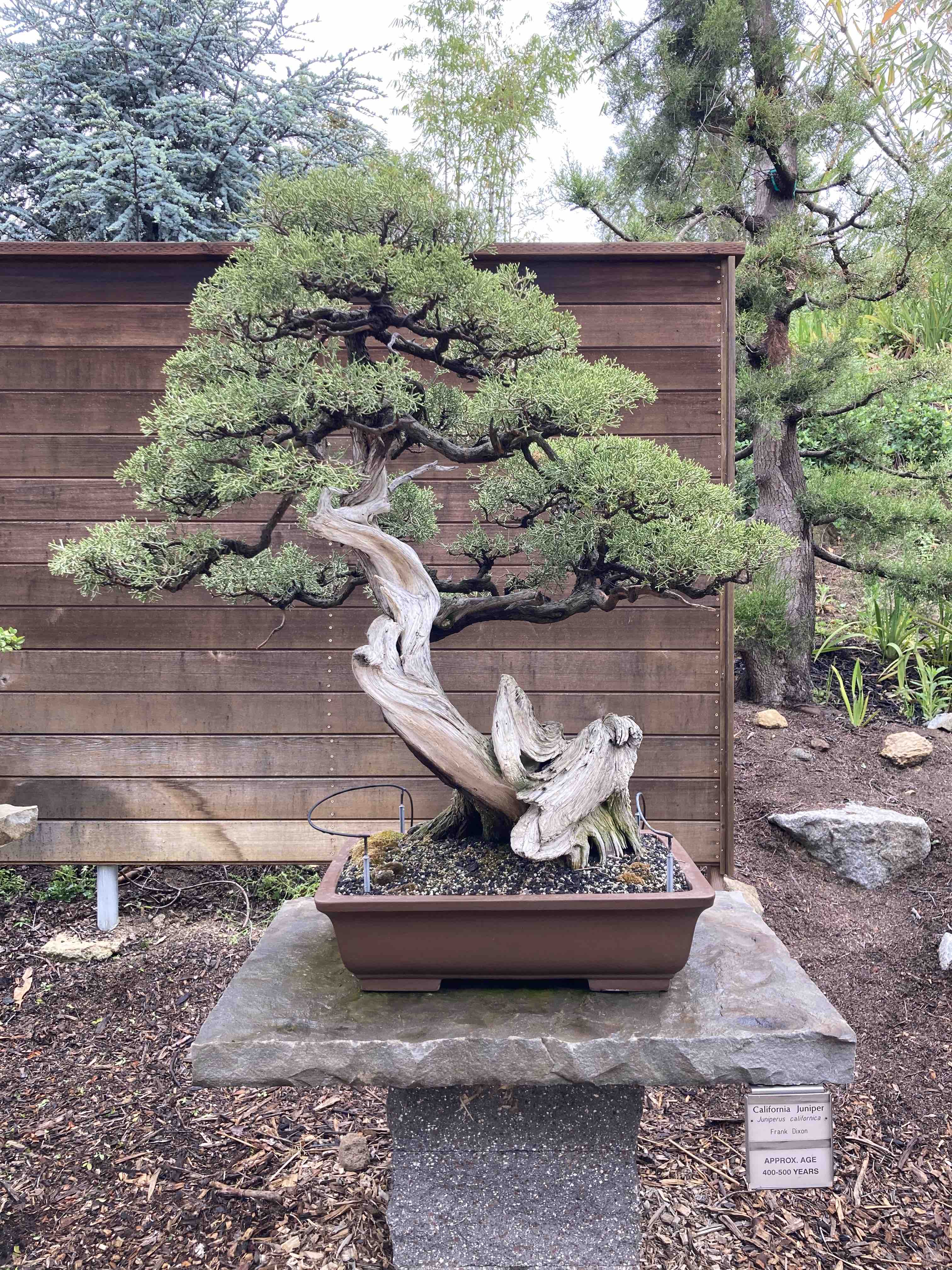
Bonsai are grown in small containers with limited soil volume, and that soil gets flushed with water every day or two. Nutrients wash out quickly. Without regular fertilization, a bonsai gradually depletes what’s available in the substrate and begins to decline — slowly at first, then more obviously. Fertilizing correctly is one of the most straightforward things you can do to keep your trees growing vigorously.
What Bonsai Need
Plants need three primary macronutrients: nitrogen (N), phosphorus (P), and potassium (K). These are the numbers you see on fertilizer labels — a 6-6-6 fertilizer, for example, contains equal parts of each.
- Nitrogen drives vegetative growth — leaves, shoots, and overall vigor
- Phosphorus supports root development and flowering
- Potassium supports overall plant health, disease resistance, and hardening of new growth
For most bonsai, a balanced fertilizer works well through the growing season. Some growers shift to a lower-nitrogen fertilizer in late summer and fall to slow vegetative growth and help the tree harden off before winter.
When to Fertilize
The general rule is to fertilize during the active growing season — spring through early fall — and stop or significantly reduce fertilization in winter when the tree is dormant or growing slowly.
In spring, as the tree comes out of dormancy and begins pushing new growth, this is the most important time to fertilize. The tree has high energy demand and will use nutrients efficiently. Through summer, continue on a regular schedule. In late summer, some growers switch to a low-nitrogen or balanced formula. In winter, most deciduous trees don’t need fertilization at all.
Two important exceptions: do not fertilize a tree that has just been repotted. Wait until it shows strong new growth — typically four to six weeks after repotting. Also avoid fertilizing trees that are sick, stressed, or showing signs of root problems. A struggling tree can’t process nutrients properly, and fertilizing won’t fix the underlying issue.
Liquid vs. Slow-Release Fertilizers
Both work, and many growers use a combination.
Liquid fertilizers are diluted in water and applied during regular watering. They’re fast-acting and easy to adjust — you can increase or decrease the dose based on how the tree is growing. The trade-off is that they require more frequent application, typically every one to two weeks during the growing season.
Slow-release pellets or cakes sit on the soil surface and release nutrients gradually with each watering. They’re lower maintenance — you place them and they work for several weeks or months. Many bonsai growers use slow-release fertilizer as a baseline and supplement with liquid fertilizer during peak growing season.
How Much to Use
Follow the manufacturer’s instructions as a starting point, and err toward the lower end of the recommended dose. Overfertilizing can burn roots and cause excessive, coarse growth that works against the refined development you’re aiming for in bonsai. With fertilizer, more is rarely better.
If you’re using a liquid fertilizer, applying at half the recommended dose more frequently is often better than full dose less frequently. It provides a steadier supply of nutrients without spikes.
Signs of Deficiency
A tree that isn’t getting enough nutrients will show it over time. Common signs include pale or yellowing leaves, weak or short internodes on new growth, and generally reduced vigor. If your tree looks less vibrant than it should, and watering and light are appropriate, fertilization is often the variable to look at.
Species Considerations
Most bonsai species respond well to regular balanced fertilization. A few notes worth knowing:
- Pines are often fertilized with lower nitrogen to keep growth compact and needles short
- Flowering and fruiting trees benefit from higher phosphorus around bloom time to support flower and fruit development
- Azaleas prefer an acidic fertilizer — standard balanced fertilizers can gradually raise soil pH in a way that doesn’t suit them
Keep It Consistent
Fertilization doesn’t require a complicated regimen. Pick a quality balanced fertilizer, apply it on a consistent schedule through the growing season, and pay attention to how your trees respond. Bonsai that are fed regularly throughout the growing season consistently outperform those that are fertilized sporadically or not at all. It’s one of the simpler parts of bonsai care, and the results are hard to miss.
Looking for bonsai tools and supplies? Browse the selection at Morgan’s Bonsai.
Leave a Reply