
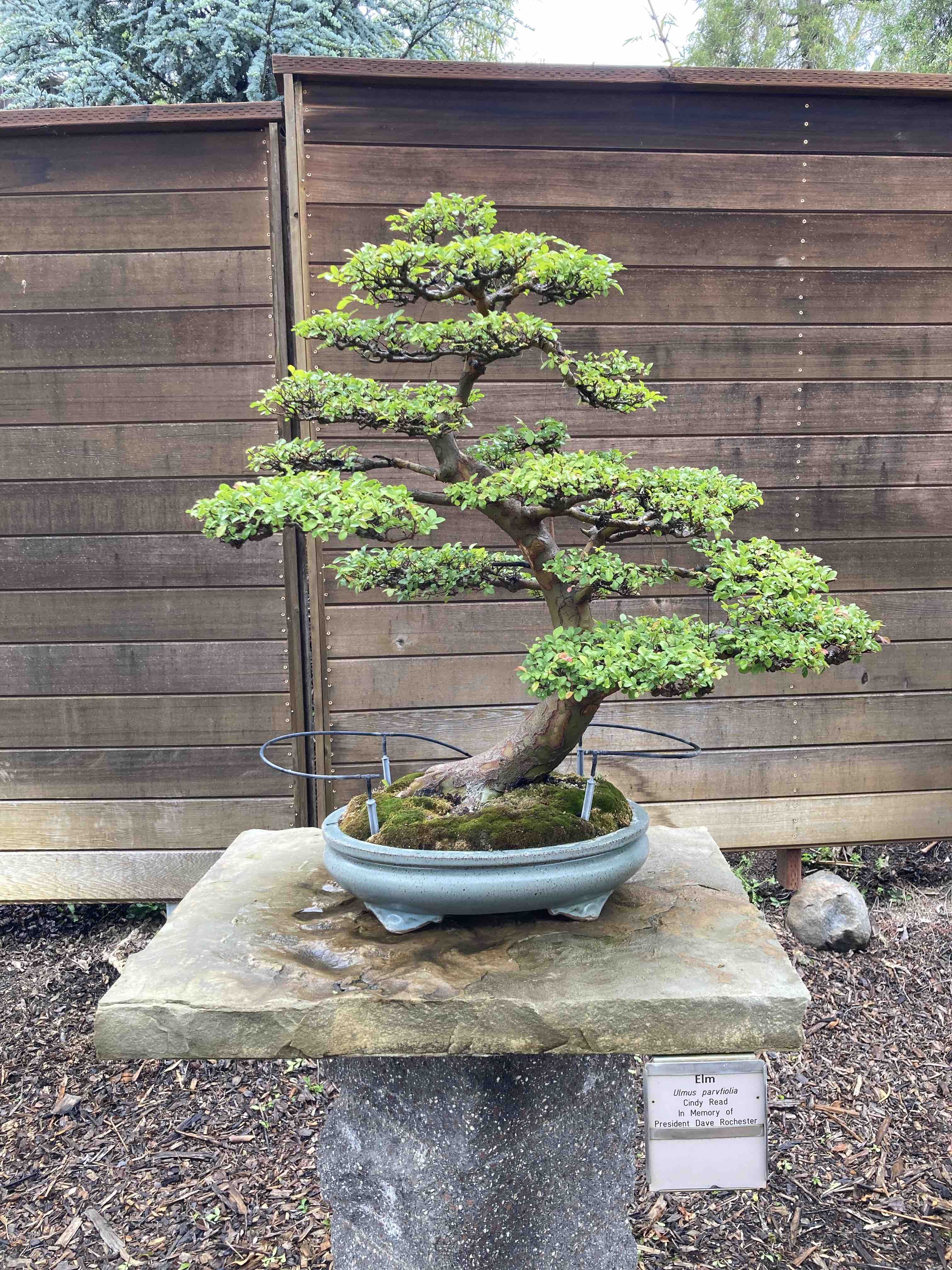
Repotting is one of the most important things you’ll do for your bonsai. The purpose of repotting a bonsai is to refresh depleted soil, prune the root mass to maintain the tree’s scale, and keep the root system healthy over the long term. Done correctly and at the right time, repotting sets a tree up for vigorous growth.
When to Repot
Timing matters more than almost anything else in repotting. The right window is early spring, just as the buds are beginning to swell but before they open. At this point the tree is coming out of dormancy and has energy ready to push new growth. That energy helps it recover quickly from root disturbance. Once leaves are fully out and the tree is in active growth, repotting is much more stressful.
How often you repot depends on the species and the age of the tree. Young trees in active development may need repotting every one to two years. Older, more refined trees with slower growth can often go three to five years between repots, sometimes even more. The condition of the roots tells you more than the calendar does.
Signs Your Tree Needs Repotting
You don’t always need to wait for a set schedule. These are reliable signs that it’s time:
- Roots circling the inside of the pot — lift the tree and check; if roots are tightly wound around the edges, they’ve run out of room
- Roots emerging from drainage holes — a clear indicator the pot is full
- Water pools on the surface before draining — the soil has compacted and is no longer draining freely
- The tree dries out much faster than it used to — a root-bound tree has little soil volume left to hold moisture
- The tree is lifting out of the pot — when roots become dense enough, they can push the tree up and out of the container
What You’ll Need
- Root hook — for combing out and separating the root mass
- Bonsai shears — for pruning roots
- Sickle — to help free the tree from the pot, especially if the pot has an inward lip.
- Soil sieve — to remove dust and fines from fresh substrate
- Soil scoop — for placing and working new soil into the pot
- Fresh bonsai substrate — akadama, pumice, lava rock, or your preferred mix
- Drainage mesh — to cover pot holes before filling
- Wire — for securing the tree in the pot after repotting
- Wire cutters — for cutting tie-down wire
- Chopstick or thin dowel — for working soil around roots
A root hook is the tool you’ll rely on most during the process. Trying to separate compacted roots by hand risks tearing the fine feeder roots that the tree depends on for nutrient uptake.
Step by Step
1. Prepare everything before you remove the tree. Sieve your fresh soil, cut drainage mesh to size, and have your tools within reach. You want to minimize the time the roots are exposed to air, so they don’t dry out.
2. Remove the tree from the pot. Run a sickle around the inside edge to cut circling roots if needed. Lift the tree out gently. If roots are anchored through drainage holes, cut them free first.
3. Comb out the root mass. Use your root hook to work from the outside in, teasing apart the roots and removing old soil. Work carefully — the goal is to expose the roots without tearing them. Remove as much of the old substrate as you can.
4. Prune the roots. Cut back long roots, remove any that are dead, rotten, or circling tightly. On a healthy tree, it’s typically safe to remove one-half to two-thirds of the root mass. Always leave plenty of fine feeder roots intact — those are doing the real work.
5. Prepare the pot. Cover the drainage holes with mesh, secured with wire if needed. Prepare your wire to tie down the tree. Add a thin layer of soil.
6. Position the tree. Set the tree at the angle and position you want, then secure it in place with wire.
7. Work in the soil. Add soil around the roots and use a chopstick to work it down into the gaps. Tap the pot gently to help settle it. Make sure there are no air pockets — roots left in empty space will die.
8. Water thoroughly. Water until it runs clear from the drainage holes. This settles the soil and ensures the roots make contact with the new substrate.
Aftercare
Keep the tree out of direct sun and wind for two to four weeks after repotting. It’s recovering from root disturbance and can’t handle the additional stress of high transpiration demand. A shaded spot with good air circulation is ideal.
Hold off on fertilizing until the tree shows strong new growth — typically four to six weeks after repotting. The roots need time to recover before being pushed with nutrients.
The Right Tools Make It Easier
Repotting without the right tools makes it harder on both you and the tree. A proper root hook, sharp shears, and a good soil sieve make the process faster and less stressful for the tree. If you’re putting together your repotting kit, browse the tools at Morgan’s Bonsai — quality tools made in Japan and built to last.
Leave a Reply