

If you’ve shopped for bonsai, you’ve probably encountered a wide range of prices — from inexpensive trees at garden centers to trees that cost hundreds or thousands of dollars at specialty nurseries. A lot of that range comes down to a distinction that isn’t always clearly explained: the difference between pre-bonsai (raw or developing material) and finished bonsai (refined trees ready for display). Understanding what each one is helps you spend your money appropriately and set realistic expectations.

What Is Pre-Bonsai?
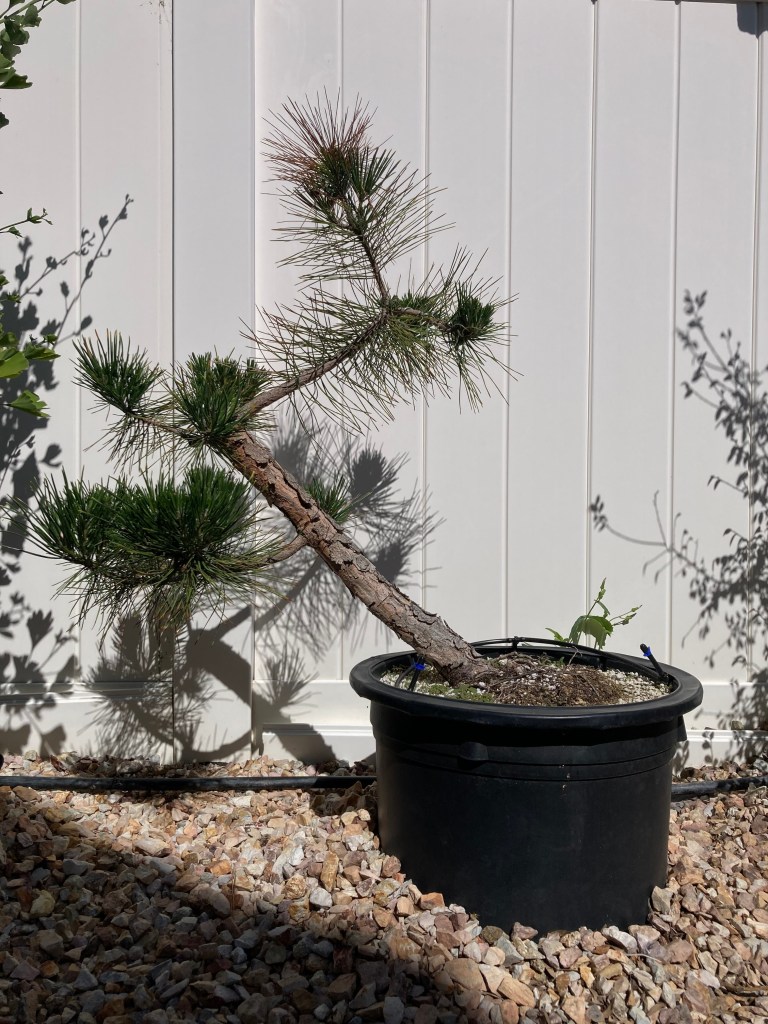
Pre-bonsai — sometimes called nursery stock, raw material, or developing material — is a tree that has the potential to become a bonsai but hasn’t yet been refined into one. It might be a juniper from a garden center with an interesting trunk and no training, a Japanese maple with good movement that’s been growing in a nursery container for several years, or a collected tree with dramatic natural character that has just been put into a training pot.
Pre-bonsai doesn’t look like a bonsai yet. The branching is typically coarse, the pot is a plain training container, and significant work remains. What you’re buying is potential — a trunk and root structure that will serve as the foundation for years of development.
Pre-bonsai is less expensive than finished bonsai and is the more rewarding path if you want to be involved in the tree’s development from an early stage. The work of turning raw material into something refined is central to what bonsai practice actually is.
What Is Finished Bonsai?
A finished bonsai is a tree that has already been through years or decades of development. The branch structure is refined, the ramification is fine, the movement and character of the trunk are developed, and the tree is presented in a quality pot chosen to complement it. A well-finished bonsai looks like a miniature mature tree — convincingly aged, every element considered.
Finished bonsai command significantly higher prices because they represent years of skilled work. A modest finished bonsai might cost several hundred dollars. Exceptional trees from respected practitioners cost considerably more. When you buy a finished bonsai, you’re not just buying a tree — you’re buying the accumulated time and skill invested in developing it.
Which Is Right for You?
The answer depends on what you’re looking for from bonsai.
If you want to learn the practice and be involved in shaping a tree from its early stages, pre-bonsai is where you want to start. It teaches you to see potential in raw material, make design decisions, and develop patience — all of which are at the heart of bonsai. Starting with a finished tree can actually hinder development as a practitioner, because the main work has already been done.
If you want a beautiful bonsai now — for display, as a gift, or to enjoy without a long development commitment — a finished or well-developed tree is the appropriate choice. There’s nothing wrong with buying a refined tree. Just go in knowing what you’re paying for, find a reputable source, and be sure you know how to take care of a bonsai before buying an expensive one.
The Middle Ground: Partially Developed Trees
There’s a large category between raw pre-bonsai and highly finished bonsai: trees that have been in training for several years and have some refinement, but still have significant development ahead. These are often the best value in bonsai — more interesting than raw nursery stock, less expensive than fully refined trees, and still offering plenty of development work to engage with.
Specialty bonsai nurseries typically stock all three categories. Spending time looking at trees at different stages of development is one of the best ways to train your eye and understand where different trees sit on that spectrum.
In Either Case: Good Tools Matter
Whether you’re developing raw material or maintaining a refined tree, the tools you use affect the results. Browse the tools at Morgan’s Bonsai — quality Japanese tools that will serve whatever stage of practice you’re at.
Leave a Reply