

There’s something special about returning to a place where time seems to stand still—and for bonsai lovers, there may be no better place for that than the Omiya Bonsai Art Museum in Saitama.
This was my second visit, and it somehow felt even more meaningful than the first.
A Bonsai Welcome, Right Off the Train
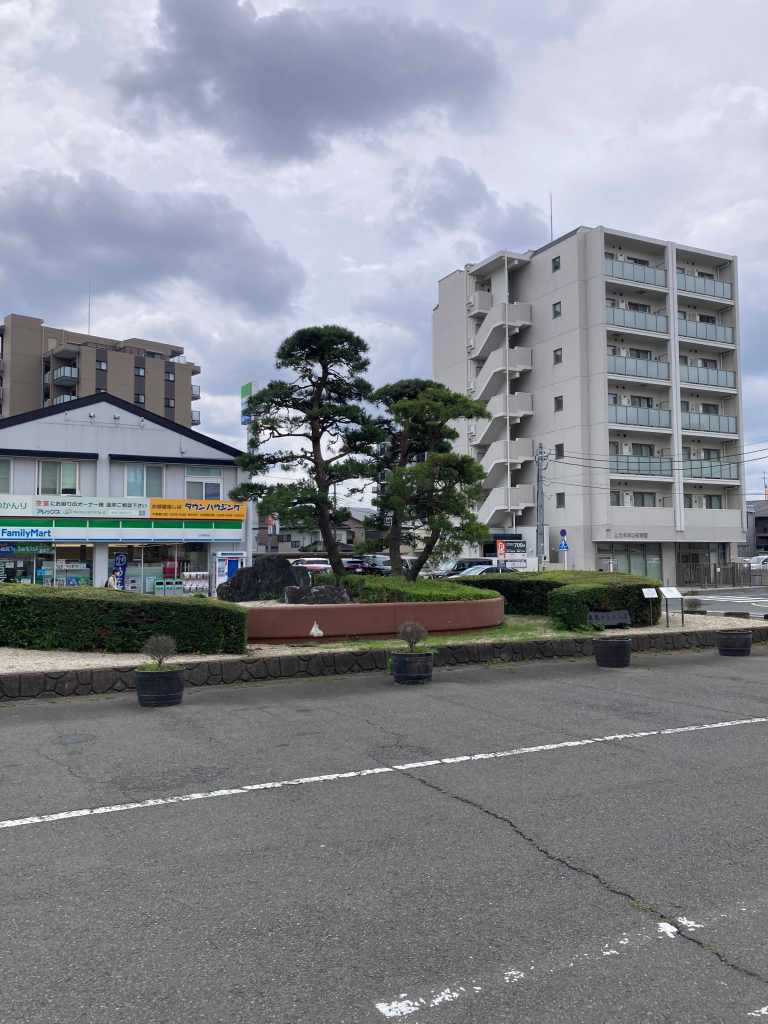
Even before reaching the museum, you know you’re somewhere different. Just outside the Toro Station, a trio of full-sized pine trees appear as if they are planted in a large oval bonsai pot. It’s a whimsical touch that says: yes, you’re in bonsai country now.
From the station, it’s a short walk through a quiet neighborhood to the museum entrance.
Affordable, Friendly, and Deeply Inspiring
Admission is just 310 yen (around $2 USD), and the staff are welcoming and happy to chat in English. I appreciated how calm the atmosphere was—you could spend hours there just soaking in the presence of the trees.
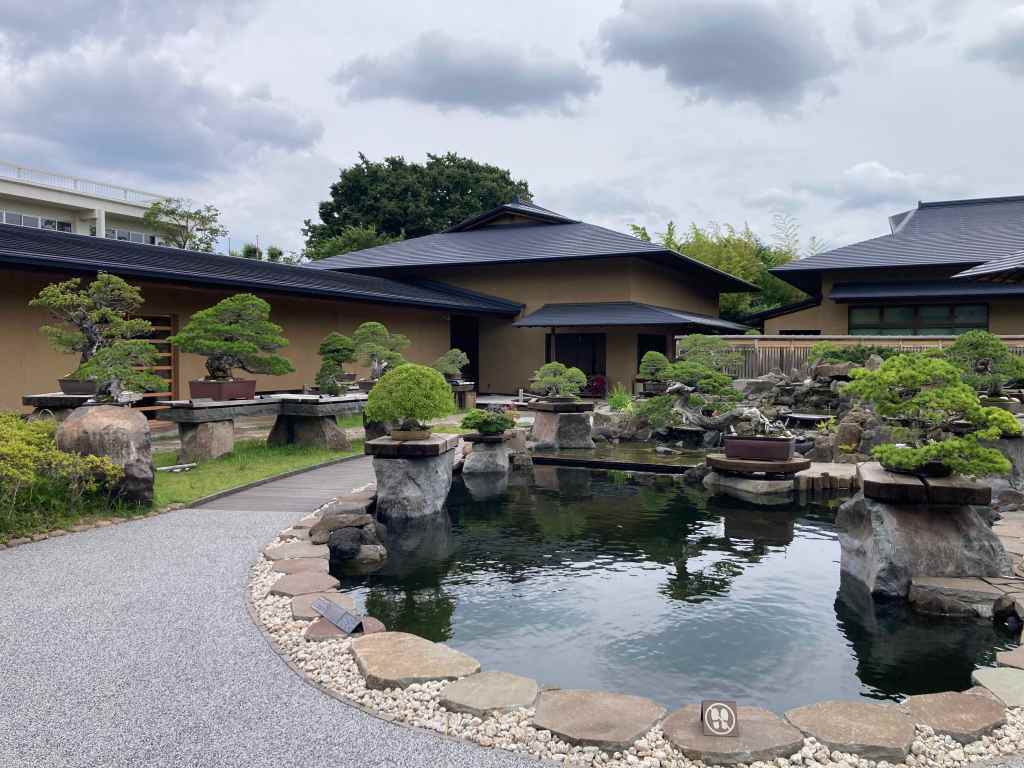
Inside, you start with a small exhibit hall that walks you through the history and philosophy of bonsai. Three mock-up rooms show how bonsai can be displayed in traditional Japanese interiors. But the real treasure is the outdoor garden, where over 100 trees are beautifully displayed.
Trees That Stop You in Your Tracks
Many of the museum’s trees are over 100 years old, and most are massive. There’s a yamadori (wild-collected tree) estimated to be 1,000 years old—hard to wrap your head around until you see its weathered bark and powerful presence.
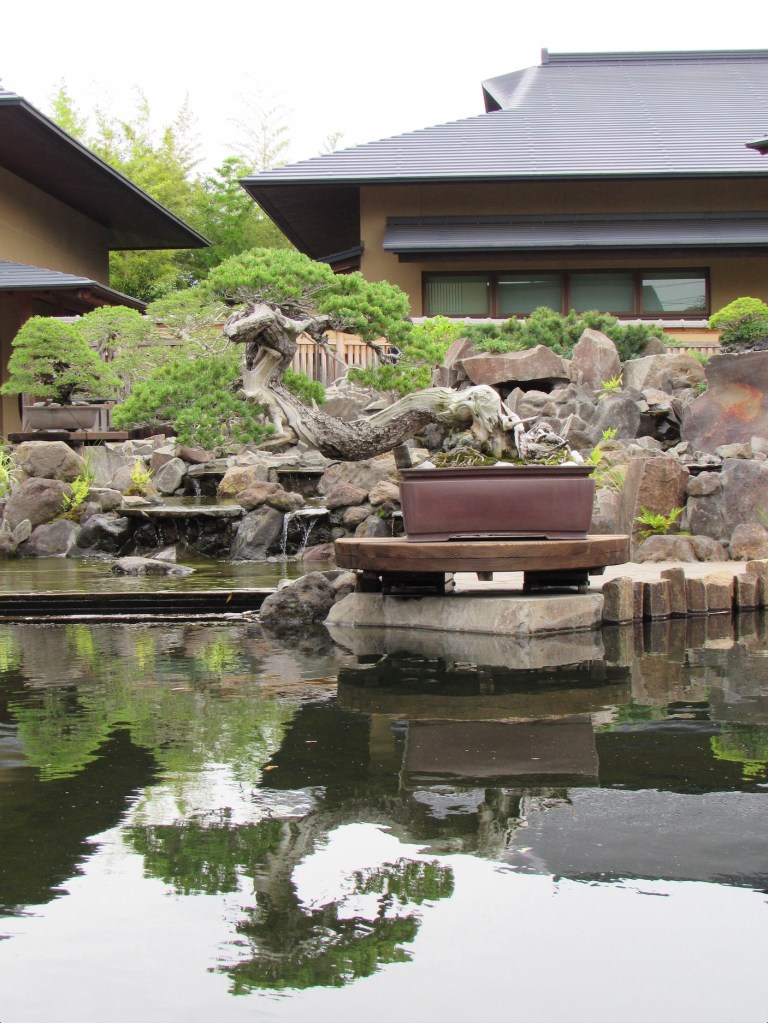
One standout was a tree displayed in the center of the pond, nicknamed “The Dragon.” Its twisting, dynamic form really does resemble a dragon rising from the water. It’s not just a clever name—it’s an incredible example of natural form and artistic vision merging perfectly.
Pines, Junipers, and Bark Like Armor
I’m especially drawn to pines, and the museum didn’t disappoint. Thick, plated bark, powerful taper, and a sense of age you just can’t fake. There was also a beautifully composed forest planting that looked like a miniature woodland scene—and a few upright formal styles that made me rethink how compelling symmetry can be.
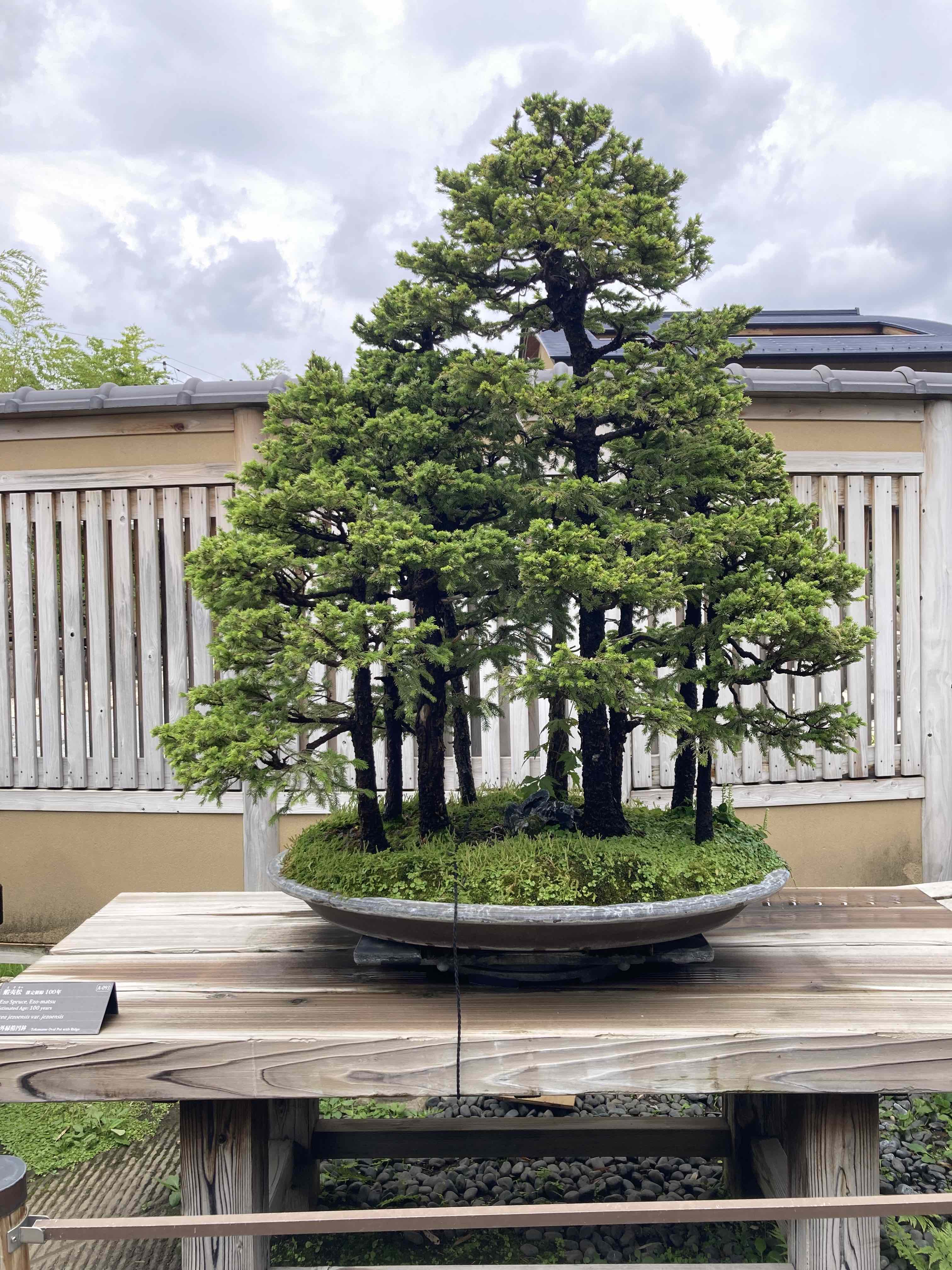


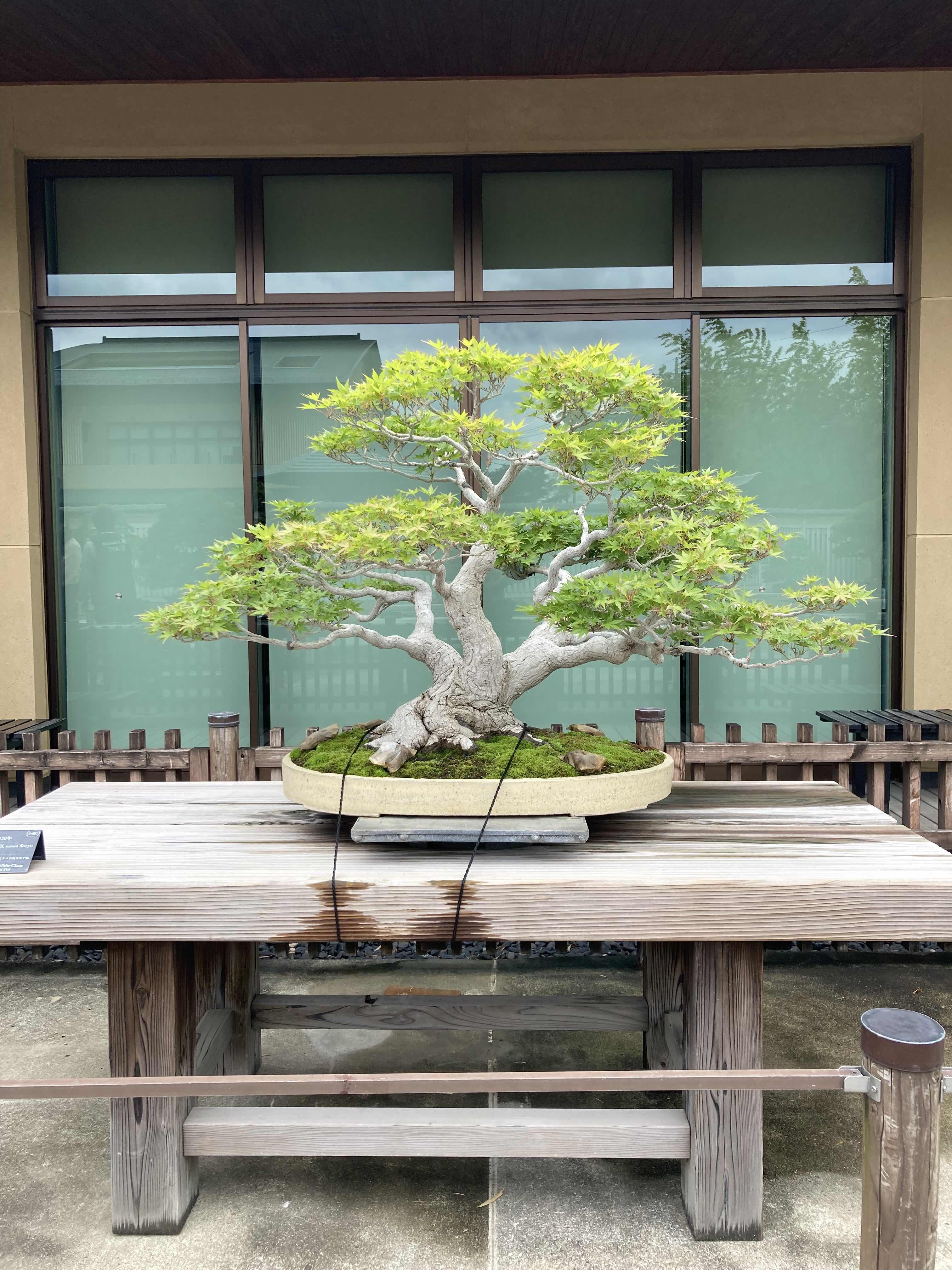
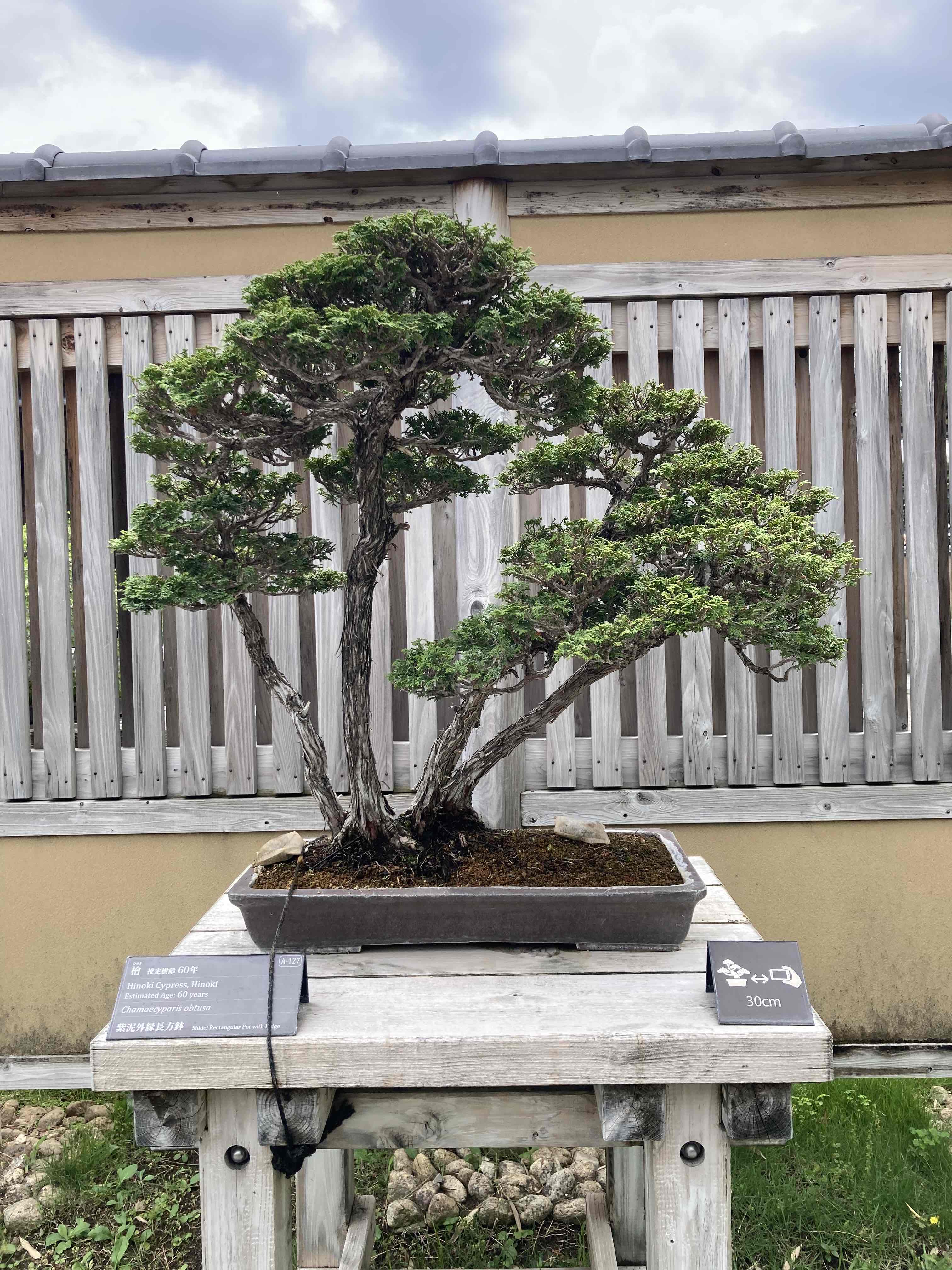

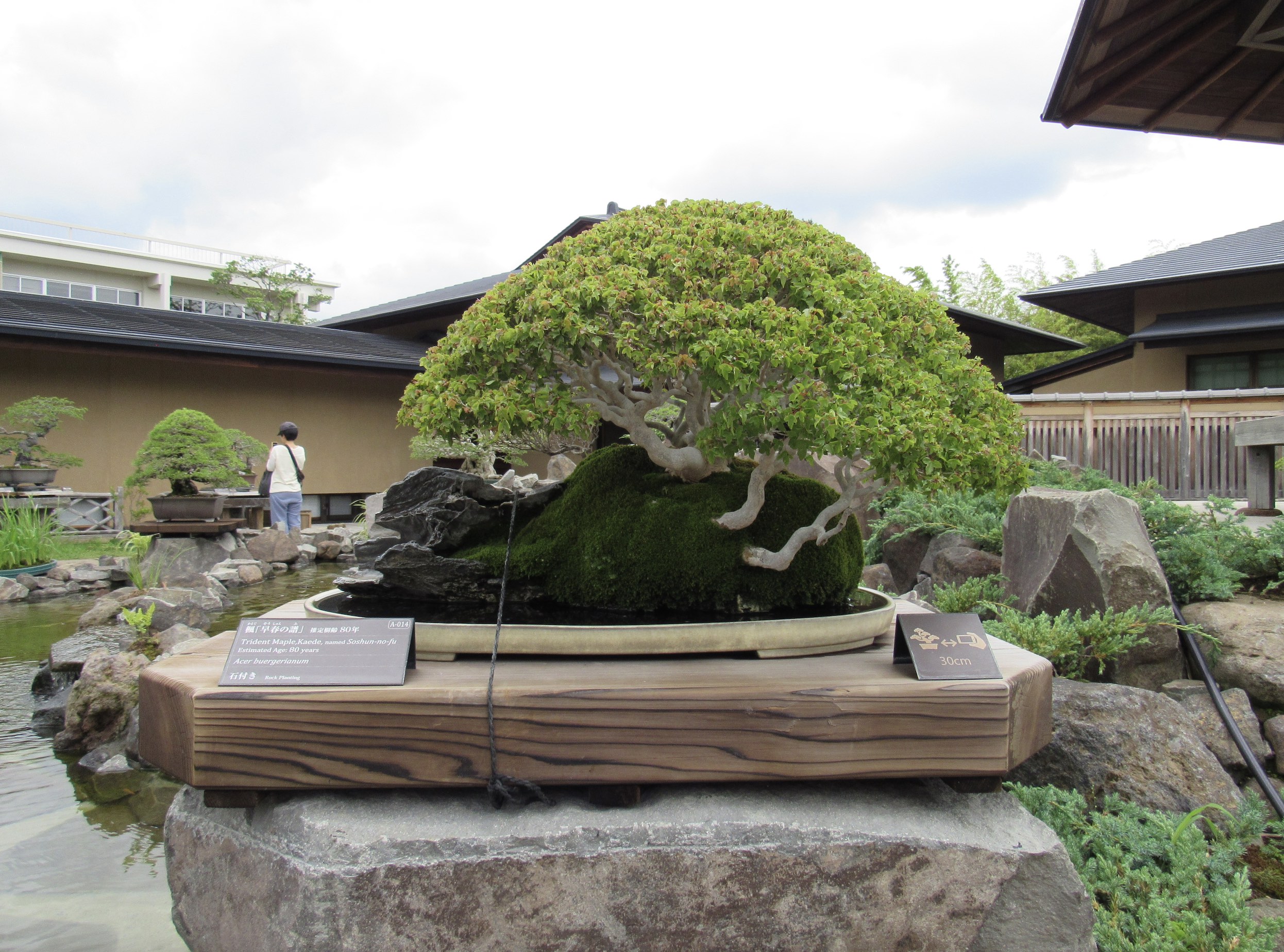
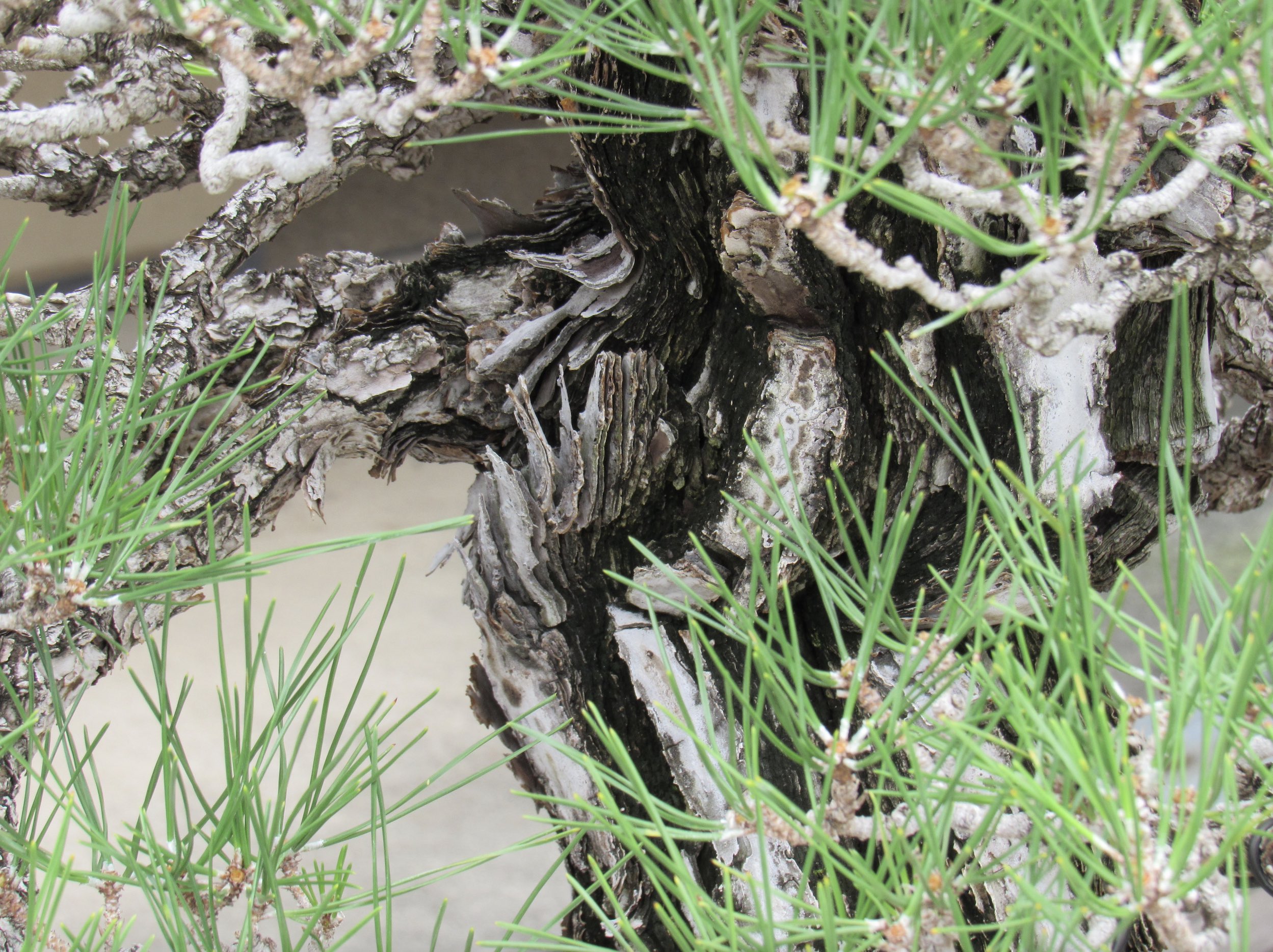
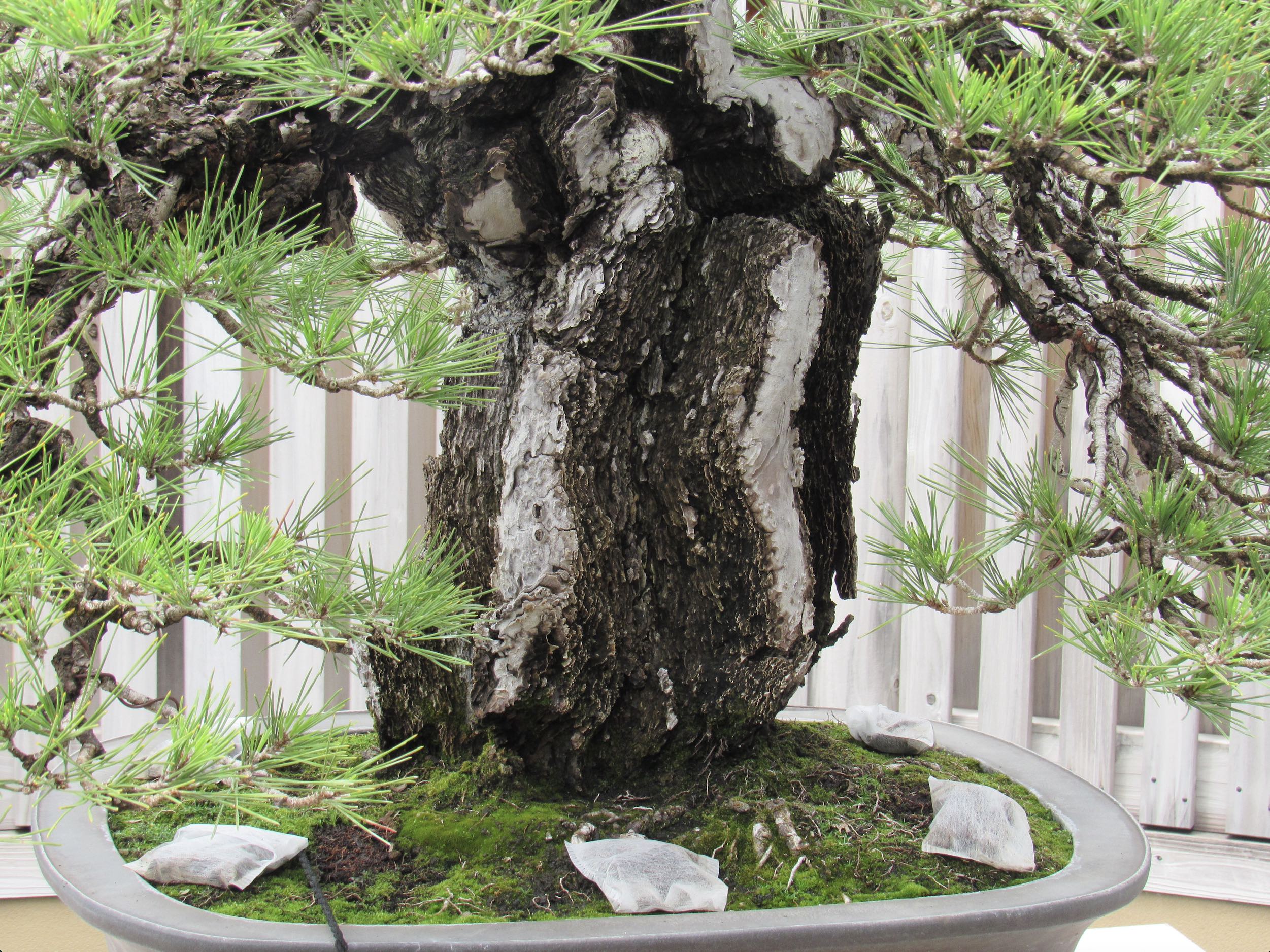
One thing I appreciated this time: the display changes frequently, so even if you’ve visited before, you’re likely to see something new. (Several trees had rotated out since my last trip.)
What I Took Home (Besides a Thousand Photos)
Every time I go, I leave inspired by:
• How age and imperfection add to a tree’s character.
• The balance of power and grace in Japanese black pines.
• How thoughtful display can completely transform how a tree feels.
If you ever find yourself near Tokyo with a half day to spare, this place is 100% worth the train ride.
I’ll definitely be back.
For more photos and videos from the trip follow me on Instagram @morgansbonsai.
Like this post?
I share reflections, tips, and tools I’ve found helpful along my bonsai journey. Subscribe to follow along and grow with me!