
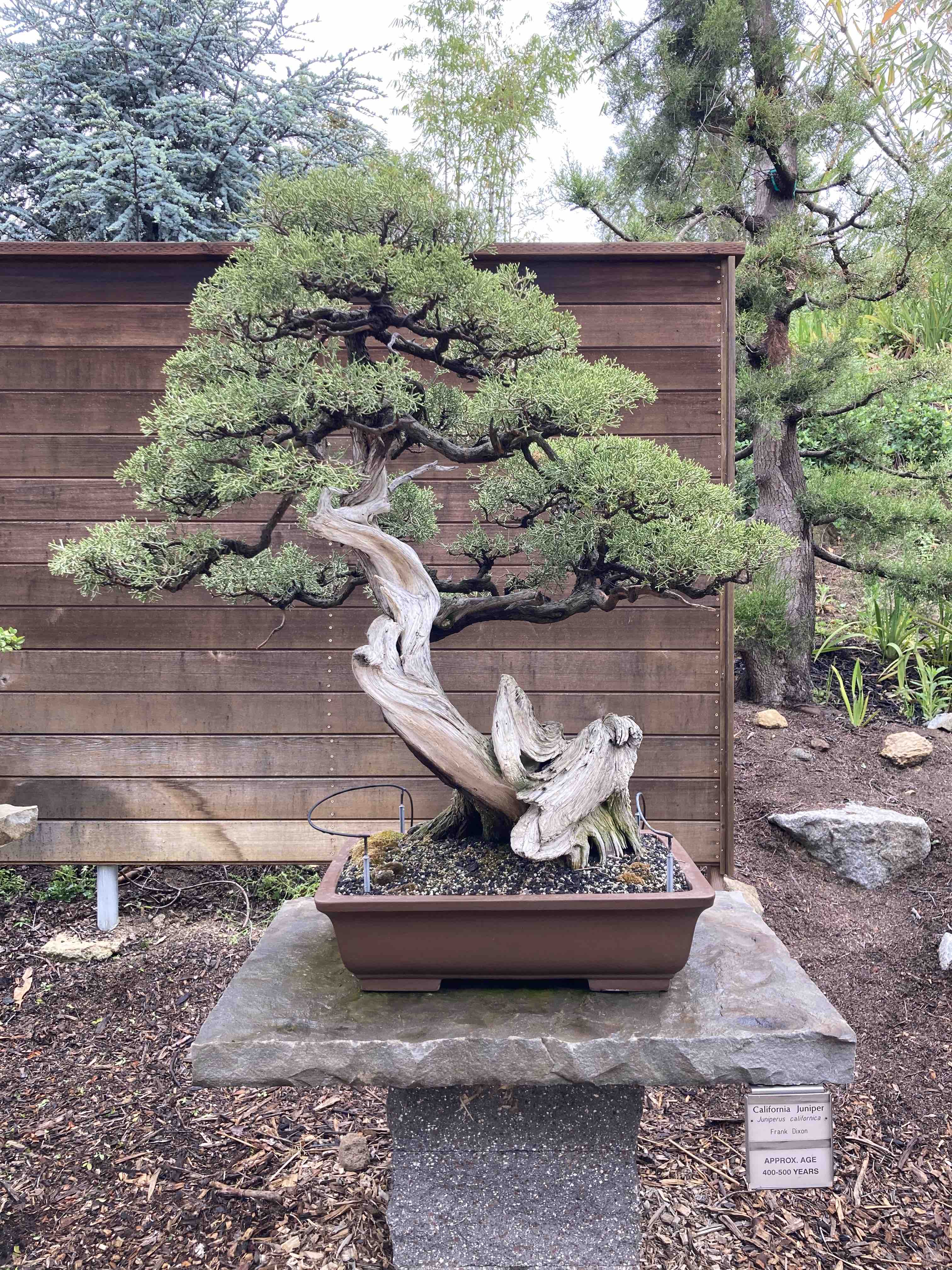
Spring is the most consequential season in bonsai. Trees are coming out of dormancy, buds are swelling, and the year’s growth is about to begin. The work you do in early spring sets the trajectory for the rest of the year. A few timely actions during this window make a significant difference. Here’s what to focus on as the season shifts.
Repotting Window
Early spring — just as buds begin to swell but before they open — is the primary repotting window for most deciduous and coniferous bonsai. This is when the tree has the energy to recover quickly from root disturbance. Once leaves are fully out, repotting becomes more stressful for the tree.
Check each of your trees to see if repotting is needed. Lift the tree and look at the roots — if they’re circling tightly, emerging from drainage holes, or if water pools on the surface before draining, it’s time. Refresh the soil with a quality bonsai substrate and prune the roots as needed.
Begin Fertilizing
As trees break dormancy and begin pushing new growth, start fertilizing with a balanced fertilizer. Spring is when nitrogen demand is highest and the tree will use nutrients most efficiently. If you use slow-release fertilizer cakes or pellets, place them on the soil surface now. If you use liquid fertilizer, begin your regular application schedule.
Hold off on fertilizing any tree you’ve just repotted — wait until it shows strong new growth, typically four to six weeks after repotting.
Watch for Late Frosts
Late frosts are a real risk in early spring, particularly for trees that have already broken dormancy. Freshly emerged leaves and new growth are tender and can be damaged or killed by frost. Watch the forecast and be ready to move trees under cover overnight if temperatures are expected to drop below freezing after growth has started.
Trees in pots are more vulnerable than trees in the ground because the roots are more exposed. A single hard frost after buds have opened can set a tree back significantly.
Resume Regular Watering
As temperatures rise and trees come into growth, water demand increases quickly. What required watering every few days in winter may need daily attention by mid-spring. Start checking your trees each morning and adjust watering frequency as growth picks up.
Inspect and Remove Old Wire
Check any trees that have wire from the previous season. Wire that was applied in autumn or winter may start to bite into bark as the tree begins growing and branches thicken. Remove wire before it marks the bark — cut it in sections with a wire cutter rather than unwinding it.
Keep an Eye Out for Pests
Just as trees are coming out of dormancy, so are the pests. Check your trees regularly in spring for signs of new pests and apply pesticide before any outbreaks turn into infestations. Be sure to follow the fertilizer application instructions from the manufacturer.
The Most Important Season
Spring sets the pace for the entire year. Trees that are repotted on time, fed promptly, and protected from late frosts come into summer strong and ready to develop. A little attention now pays off through every season that follows.
For all your spring tool needs, head over to Morgans Bonsai shop where you’ll find a curated selection of quality bonsai tools imported from Japan.
Leave a Reply